Exploring VR Innovations Key Features to Watch in 2026
As we look ahead to 2026, the realm of virtual reality is poised for remarkable advancements that promise to revolutionise how we interact with digital environments. The rapid evolution of technology continues to shape the landscape of VR, bringing forth innovations that enhance user experience and broaden the applications of this immersive medium. From gaming to education and therapy, the scope of VR is expanding, making it essential to explore the key features that will define this technology in the near future.
Enhanced Immersion Through Haptics
One of the most significant innovations expected by 2026 is the enhancement of haptic feedback technology. Current VR systems provide visual and auditory stimuli, but the future will bring a more tactile experience. Advanced haptic suits and gloves will allow users to feel sensations such as texture, temperature, and resistance, creating a more authentic interaction within virtual spaces. This level of immersion is crucial for industries such as training simulations, where realistic feedback can significantly impact learning outcomes.
AI-Powered Personalisation
Artificial intelligence will play a pivotal role in the evolution of VR. By 2026, AI algorithms will be able to analyse user behaviour and preferences, allowing for a highly personalised VR experience. This means that virtual environments can adapt in real time to suit individual needs, making experiences more engaging and relevant. For example, in educational settings, AI can tailor lessons based on a student's learning pace, ensuring that each learner receives the optimal level of challenge and support.
People Also Look For:
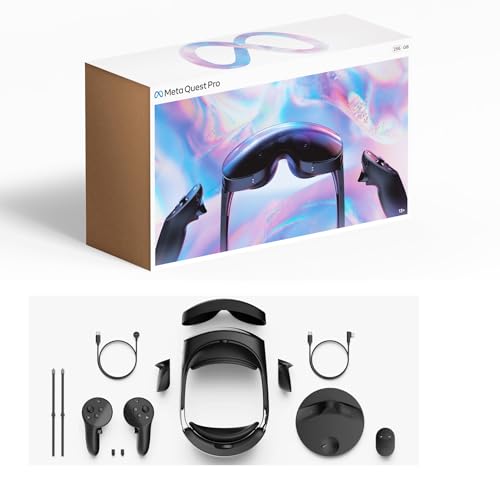
- Meta Quest Pro - Advanced All-In-One VR/MR Headset
- WaverVR Head Strap with 6000mAh Battery Compatible with Meta Quest 3/3S, VR Headset Accessories Compatible with Oculus 3, Extra 3H...
- Google Cardboard, 3D VR Headsets DIY Virtual Reality box Glasses with Clear Optical Lens and Comfortable Head Strap for All 4-6 In...
- Pimax Crystal Light High Clarity PC VR Headset with 8K Resolution & 120Hz - For SteamVR Games, Flight & Racing Simulators - Contro...
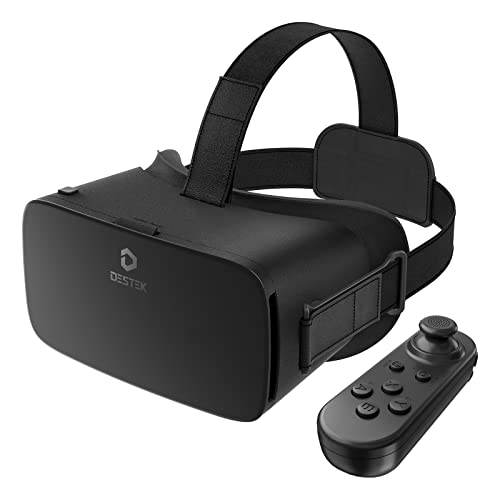
- DESTEK V5 VR Headset for Phone, 110°FOV HD Anti-Blue Lenses Eye Protection Virtual Reality Headset, VR Glasses for iPhone Samsung...
Social VR Experiences
The concept of social interaction in virtual reality is set to evolve dramatically. By 2026, we can expect a surge in social VR platforms that facilitate collaborative experiences. These platforms will enable users from around the globe to meet in shared virtual spaces for work, leisure, and education. Enhanced avatars and realistic environments will make these interactions feel more genuine, bridging the gap between physical and digital interactions. This development will be particularly beneficial for remote teams and communities, fostering connections that transcend geographical boundaries.
Integration with Augmented Reality
As the lines between virtual and augmented reality blur, the integration of these technologies will become increasingly seamless. By 2026, we can anticipate applications that combine the immersive nature of VR with the contextual information provided by augmented reality. This hybrid approach will offer users a comprehensive understanding of their surroundings, enabling new ways to interact with both virtual and real-world elements. Industries such as architecture and design will benefit significantly from this integration, allowing for more effective visualisation of projects.
Accessibility and Affordability
With advancements in technology, the accessibility and affordability of VR systems are expected to improve significantly by 2026. As hardware becomes more cost-effective and software offerings expand, a broader audience will be able to engage with VR experiences. This democratization of technology will open new avenues for educational and therapeutic applications, making VR an invaluable tool in schools, hospitals, and community centres. Furthermore, improved accessibility features will cater to users with disabilities, ensuring that everyone can benefit from the immersive capabilities of VR.
Realism in Visuals and Environments
Visual fidelity is a crucial aspect of any VR experience. By 2026, we can expect significant advancements in graphics rendering, leading to hyper-realistic environments. Enhanced resolution, improved frame rates, and more sophisticated rendering techniques will create experiences that are indistinguishable from reality. This level of realism will not only enhance gaming but also transform industries such as virtual tourism, where users can explore destinations without leaving their homes.
As we continue to explore the future of virtual reality, it is evident that the innovations on the horizon will reshape our digital interactions and experiences. The fusion of technology, creativity, and user-centric design will set the stage for a new era in VR.