Game Changers in Virtual Reality Experiences to Embrace in 2026
As we approach the year 2026, virtual reality continues to evolve at an astonishing pace. The innovations that are on the horizon promise to redefine how we engage with digital environments, offering richer, more immersive experiences. This article explores the game changers in virtual reality that are set to make a significant impact in 2026, paving the way for new applications across various sectors.
Enhanced Immersion Through Haptic Technology
One of the most exciting advancements in virtual reality is the development of sophisticated haptic technology. By providing tactile feedback, haptic devices create a sensation of touch that enhances the realism of virtual experiences. As these technologies become more refined and affordable, we can expect them to play a crucial role in gaming, training simulations, and even therapeutic applications. The tactile sensations will enable users to feel the weight of virtual objects or the impact of virtual actions, bridging the gap between the physical and digital realms.
Artificial Intelligence Integration
The integration of artificial intelligence in virtual reality is poised to transform user interactions within these environments. AI can create dynamic, responsive virtual characters that adapt to individual behaviours and preferences, making experiences more personalised and engaging. In the realm of education, AI-driven avatars can serve as tutors, adjusting their teaching styles based on the learner’s progress. This level of interactivity and personalisation will enhance user retention and satisfaction, marking a significant shift in how we utilise virtual environments for learning and entertainment.
People Also Look For:
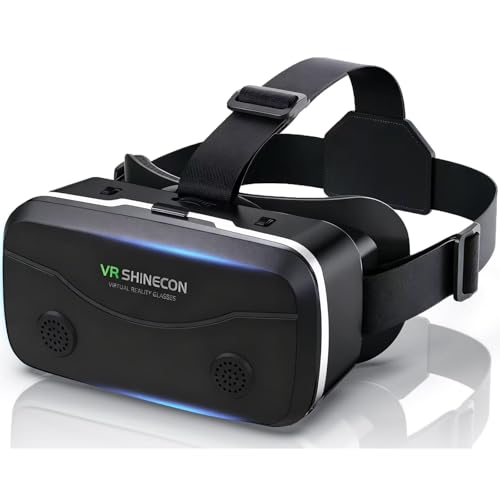
- VR Headset for Phone, VR for Movies & Games Foldable 3D Virtual Reality Glasses Bluetooth VR for iPhone/Android Phones with 4.7-6....
- Meta Quest link cable – Works with Meta Quest 3/3S – 16 foot (5 m) – Premium fibre-optic cable – Access PC VR Games – Up...
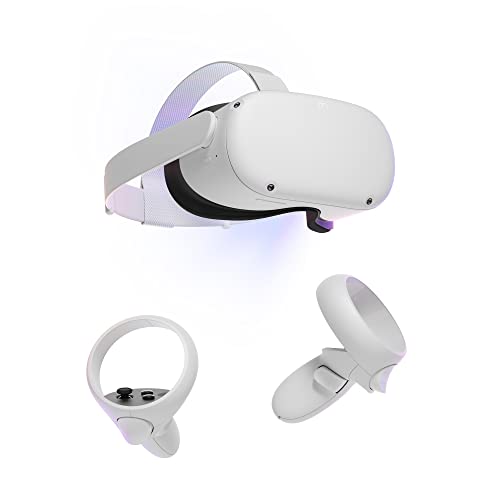
- Meta Quest 2 - Advanced All-In-One VR Headset - 128 GB for Personal Computer, white
- Google Cardboard, 3D VR Headsets DIY Virtual Reality box Glasses with Clear Optical Lens and Comfortable Head Strap for All 4-6 In...
- Meta Quest 3S 128 GB – Dive into virtual reality – Thousands of immersive experiences – All-in-one headset – Get a 3-month...
Social VR Experiences
As virtual reality technology becomes more accessible, social interactions within these environments are set to flourish. The rise of social VR platforms will enable users to connect, collaborate, and communicate in immersive virtual spaces. In 2026, we can anticipate a surge in virtual social events, ranging from concerts to conferences, allowing participants from around the globe to engage in real-time. This shift will not only revolutionise the way we socialise but also provide opportunities for businesses to reach wider audiences in innovative ways.
Cross-Platform Compatibility
The fragmentation of virtual reality platforms has been a barrier to widespread adoption. However, advancements in cross-platform compatibility are set to change that landscape. In 2026, we can expect an increase in VR experiences that allow users to interact seamlessly across different devices and ecosystems. This compatibility will foster a more cohesive virtual experience, enabling users to transition between various devices without losing their progress or social connections. As developers embrace this approach, the potential for collaborative experiences will expand significantly.
Augmented Reality Integration
The convergence of augmented reality and virtual reality into what is often referred to as mixed reality is another game changer for 2026. This integration will allow users to experience a seamless blend of the digital and physical worlds, opening up new possibilities for applications in retail, education, and entertainment. Imagine shopping in a virtual store where you can see how products would look in your home before making a purchase. Such experiences will enhance consumer engagement and provide brands with innovative ways to showcase their products.
Advancements in VR Hardware
Hardware developments will also play a significant role in shaping virtual reality experiences in 2026. The introduction of lighter, more comfortable headsets with higher resolution displays and improved field of view will enhance user comfort and immersion. Additionally, advancements in wireless technologies will eliminate the constraints of cables, allowing for more freedom of movement. These improvements will make virtual reality more appealing to a broader audience, encouraging adoption across various demographics and industries.
Ethical Considerations and Data Privacy
As virtual reality becomes more integrated into our lives, ethical considerations surrounding data privacy and user safety will come to the forefront. In 2026, developers and organisations will need to address these concerns proactively. Ensuring that user data is protected and that experiences are designed to promote mental well-being will be essential. As virtual reality continues to evolve, maintaining a focus on ethical practices will be crucial for fostering trust and encouraging responsible use of this transformative technology.